Teaching Pathways & Resources:
This page offers resources in five sections:
Family Childcare, Infant-Toddler Care, Early Childhood & Early Childhood Special Education
Working in Youth Programs and Extended Care
Teaching in Public Schools
Supporting Students in Public Schools
Resources for Counselors, Advisors & CDEV/EDU Faculty Supporting Students
Community colleges support 1,000s of educators in the Bay every year
California Community Colleges offer courses needed to:
Become eligible to work in a center for licensed by CDSS - Community Care licensing (for infants, toddlers, preschoolers and after-school children)
Obtain and hold a Child Development Permit, required by state funded child development centers
Transfer to a 4-year college or university to earn a BA or BS degree and then a teaching credential to work in public school classrooms as a teacher
Work as a teacher-aide or para-professional in a school district or public school
Support obtaining a job in after-school or youth work
Designed to help family child care providers become licensed to care for children in their homes
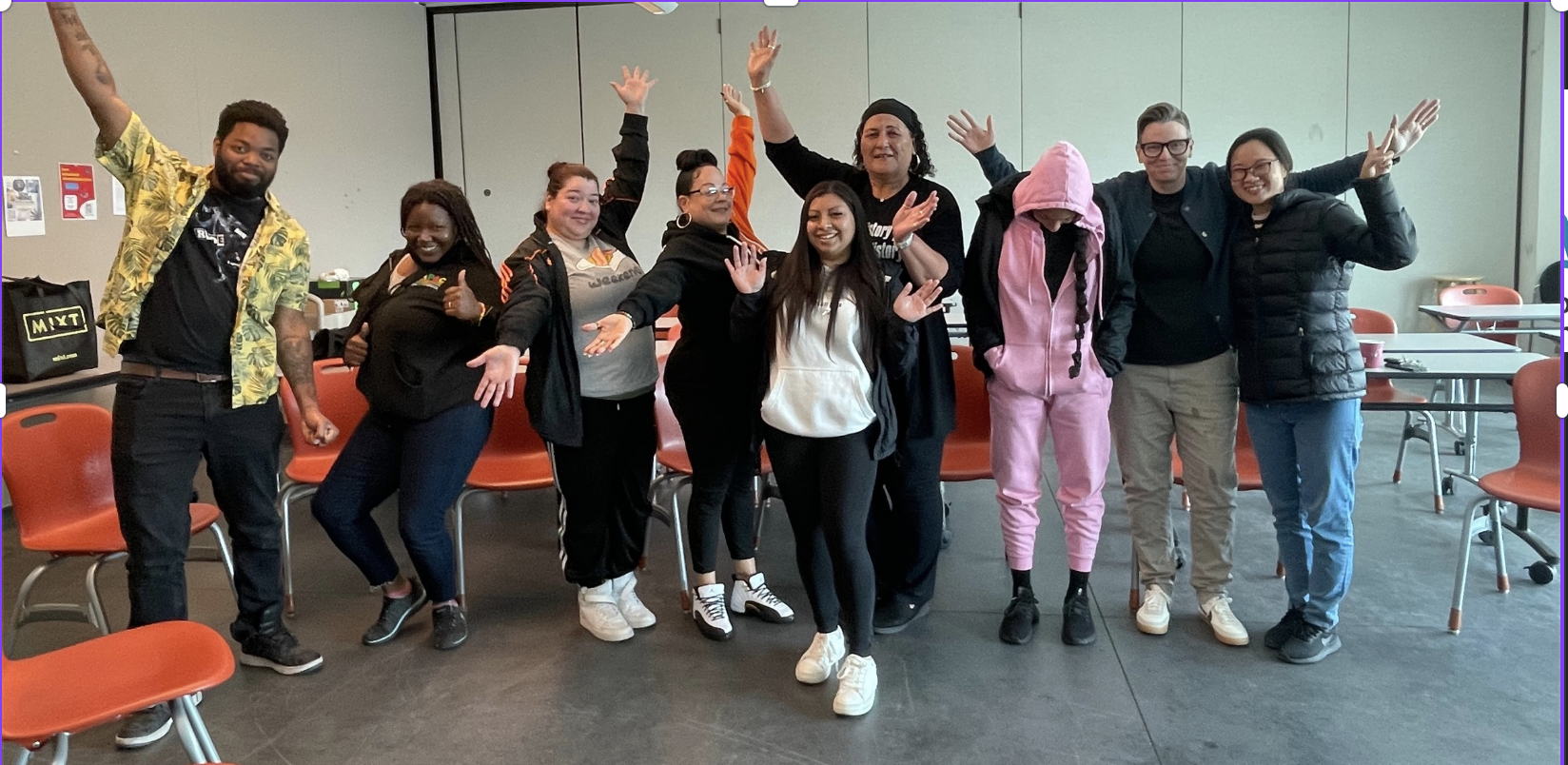
One of the most meaningful moments for me was working with a student who struggled to speak. By consistently engaging with them through play and different communication strategies, I saw real improvement over time. That experience showed me how I could create a lasting change in someone's life.
--Mateo Rivas, Berkeley City College Teacher Prep Program
Working with Young Children:
Infants, Toddlers & Preschoolers;
Permits, Licensing and Credentials
*Swipe for Options
-
![Four kids playing outside with bubbles]()
Family Childcare
Being a Family Childcare Provider means you can care for multiple ages of children in your home and build your community and neighborhood connections.
Family child care providers are licensed through California's Community Care Licensing Division (CDSS), which requires completing a Trustline/Live Scan background check, a health and safety orientation, and pediatric CPR/First Aid
ECE college units are not* required for a Small Family Child Care Home (up to 8 children).
A Large Family Child Care Home license (up to 14 children) requires an assistant and additional training hours.
Contact your local Childcare Resource & Referral Agency for support R&R Network
Resources: Bay Region & California
-
![Female caresharer touching noses with infant]()
Infants and Toddlers Ages 0-3: Permits & Licensing
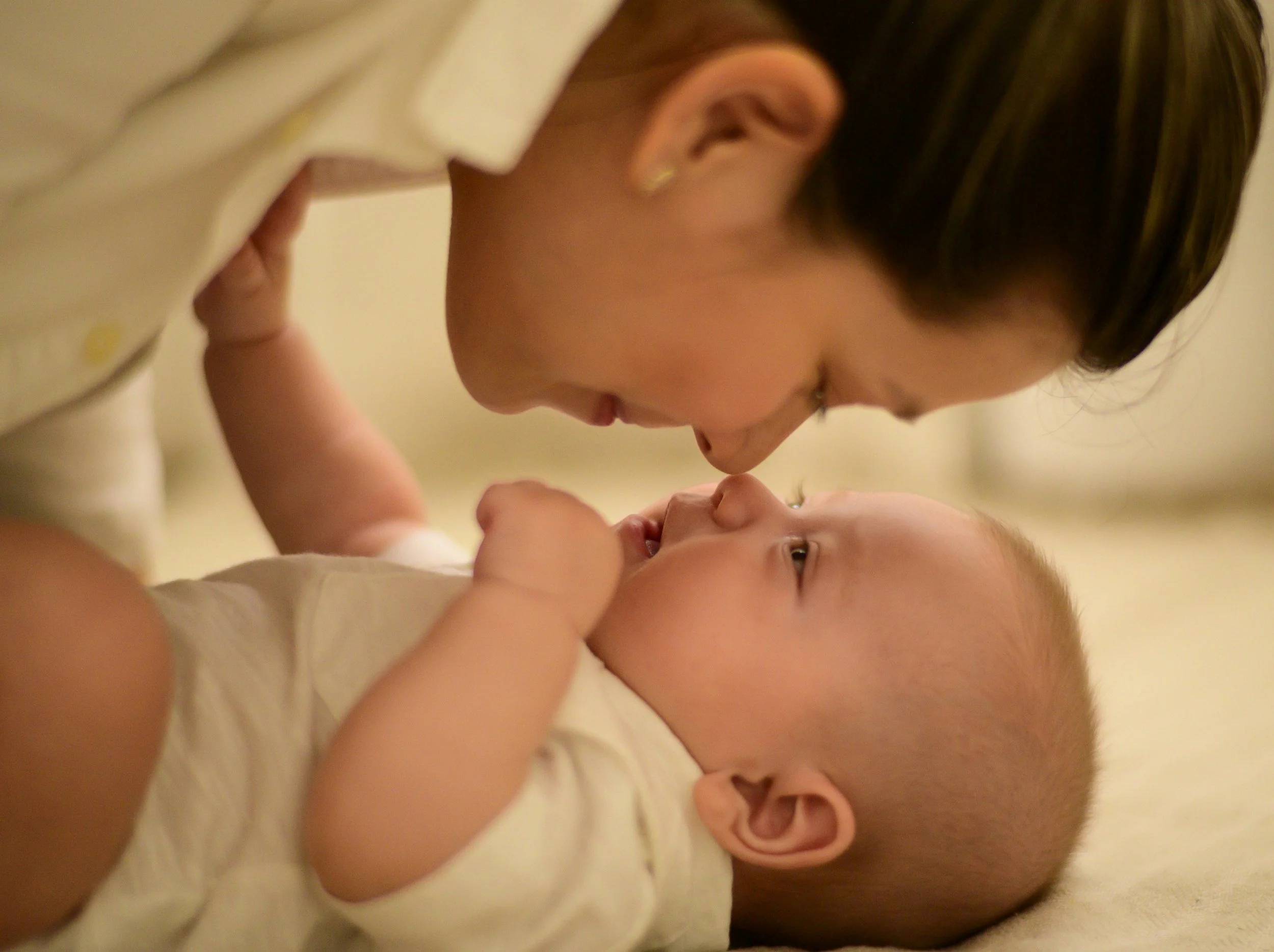
Our brains grow millions of neural connections every second when we are infants! Caresharing with infants/toddlers brings so much joy and invites presence in each moment. Working with this age group in a licensed center requires meeting Title 22 staffing/training requirements plus a Child Development Permit Matrix level (Assistant through Teacher), each tier requiring specific ECE/Infant-Toddler coursework and experience hours. Advancement (Site Supervisor, Program Director) adds administration units and supervised experience requirements.
Resources: Bay Region & California
-
![Children at learning centers with teacher]()
Early Childhood Ages 2-5
Early Childhood Ages 3–5 (Preschool)
Becoming a preschool educator means you continue to shape young hearts and minds through responsive relationships, engaging experiences and, ideally, play-based learning. 90% of our brains are grown by age 5! The core pathway runs through the CTC's Child Development Permit Matrix — Assistant (6 ECE units) → Associate Teacher → Teacher → Master Teacher → Site Supervisor → Program Director — with each level requiring more ECE/Child Development units and verified teaching experience. No K-12 teaching credential is required for this track, as licensing sits with CDSS/Community Care Licensing rather than CTC.
Resources: Bay Region & California
-
![Teacher with young child with Down Syndrome]()
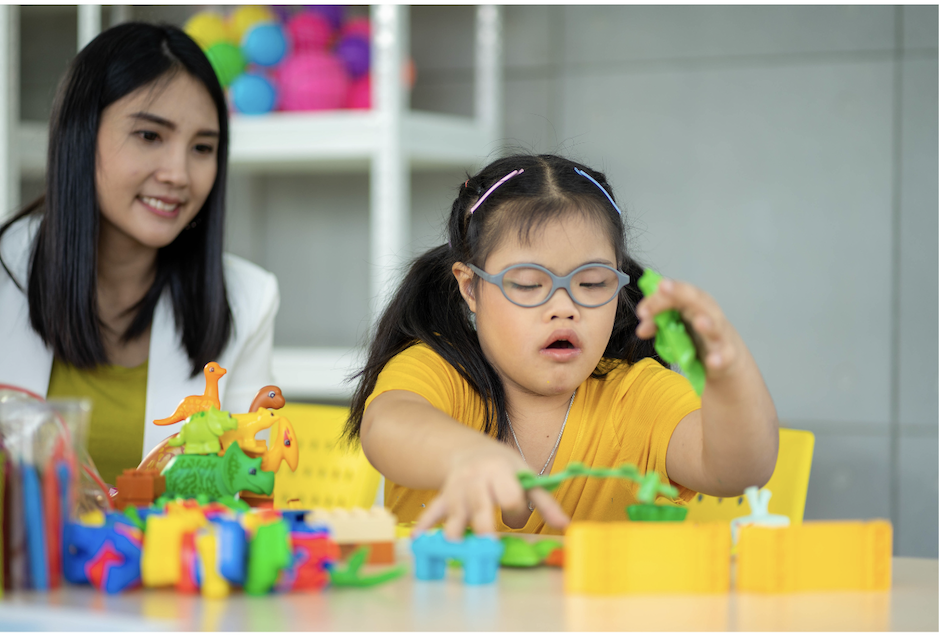
Early Childhood Special Education (ECSE)
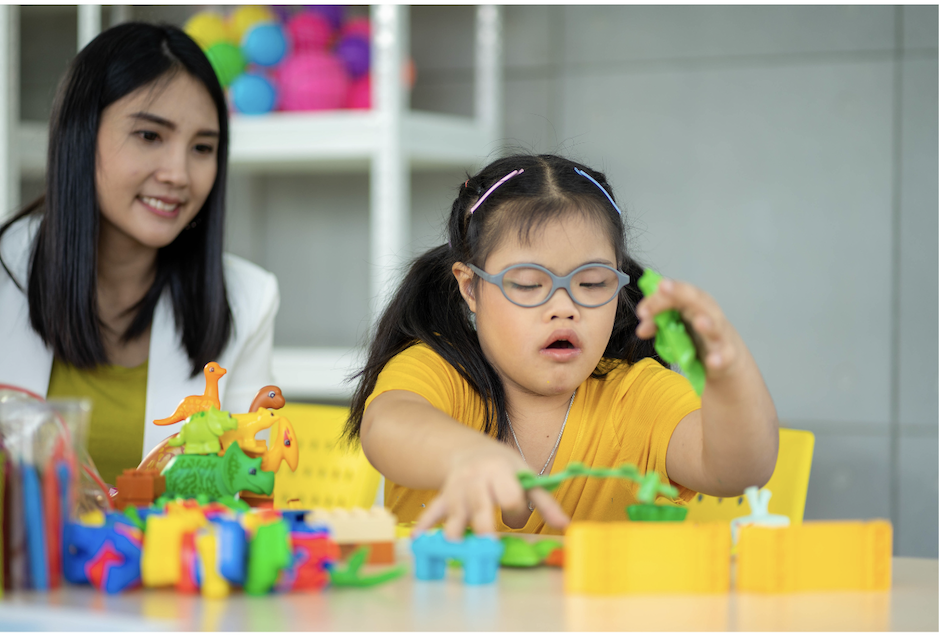
Are you passionate about making a difference for children with disabilities and their families? High quality interventions can not only support children’s growth in all areas, in many cases they can prevent the need for future services. ECSE teachers need a CTC Education Specialist Instruction Credential with an Early Childhood Special Education emphasis (or added authorization), requiring a bachelor's degree, subject matter competency, and a CTC-approved preparation program with ECSE-specific fieldwork. Many candidates enter via an intern pathway, teaching under a Provisional Intern Permit while completing coursework.
Resources: Bay Region & California

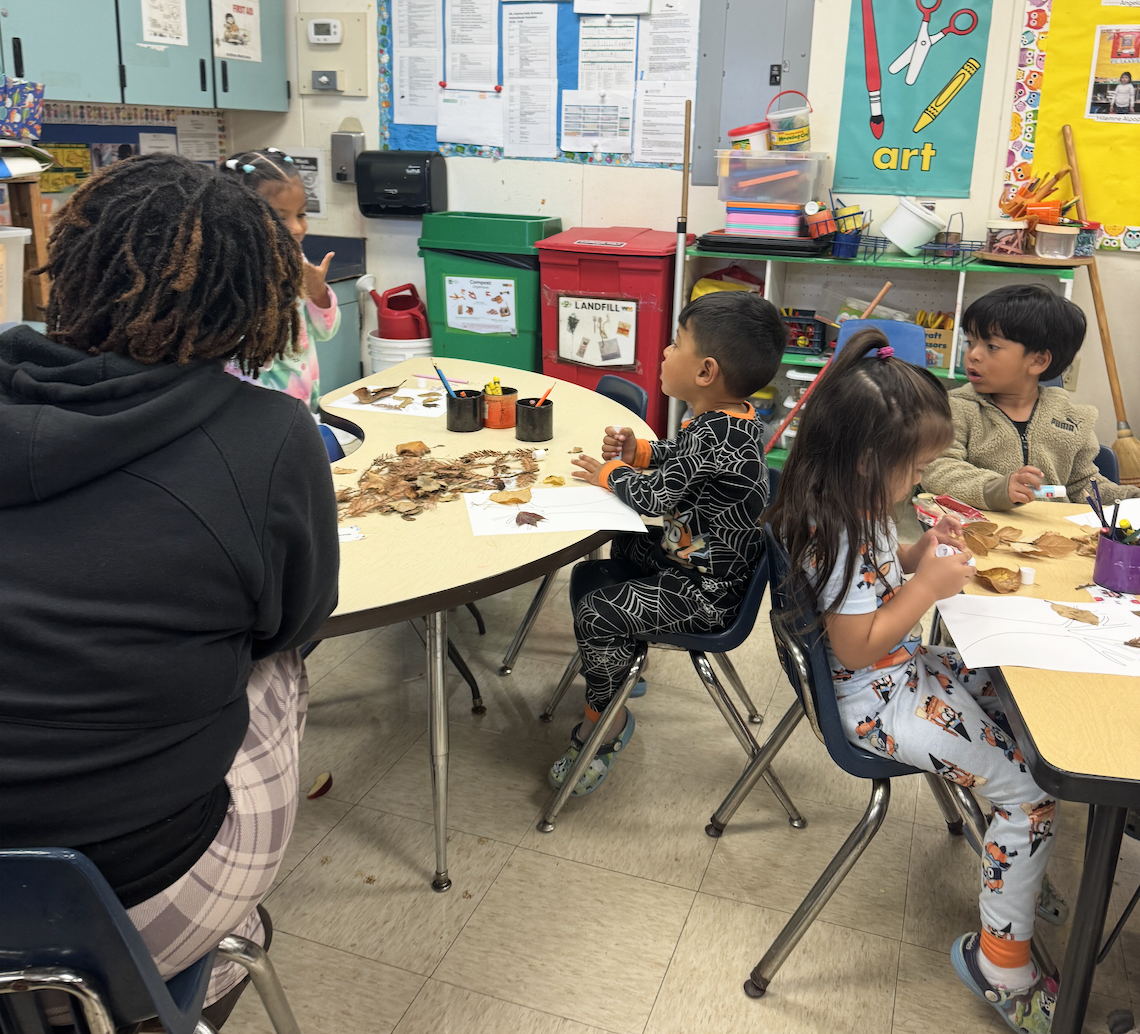
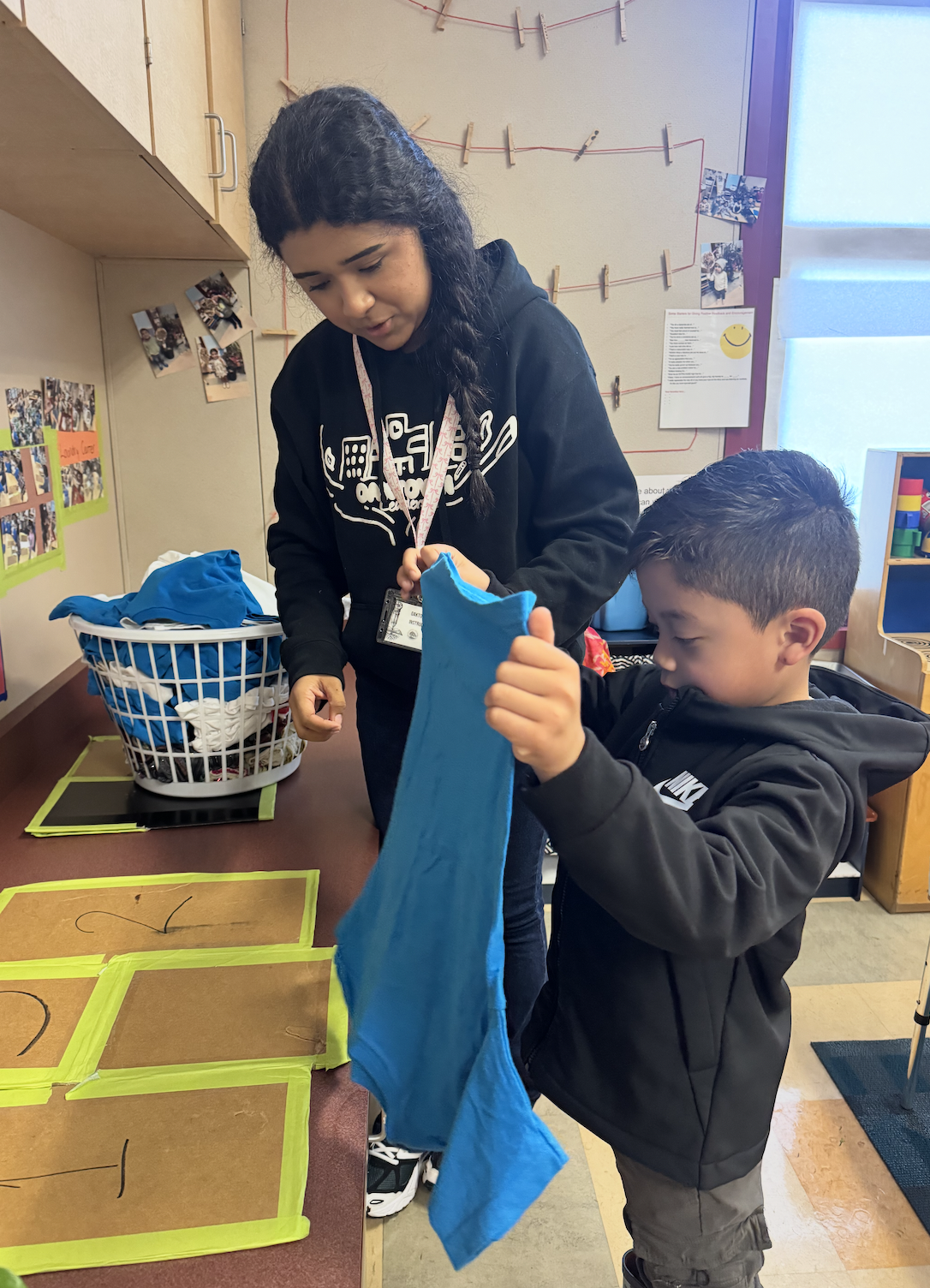
“Teaching has helped me grow into a more confident, purposeful, and outspoken person. This program has shown me why I choose to lead, and that purpose is something I will carry with me throughout my journey.”
-Evelin Mendoza Pablo, Berkeley City College Teacher Prep Program
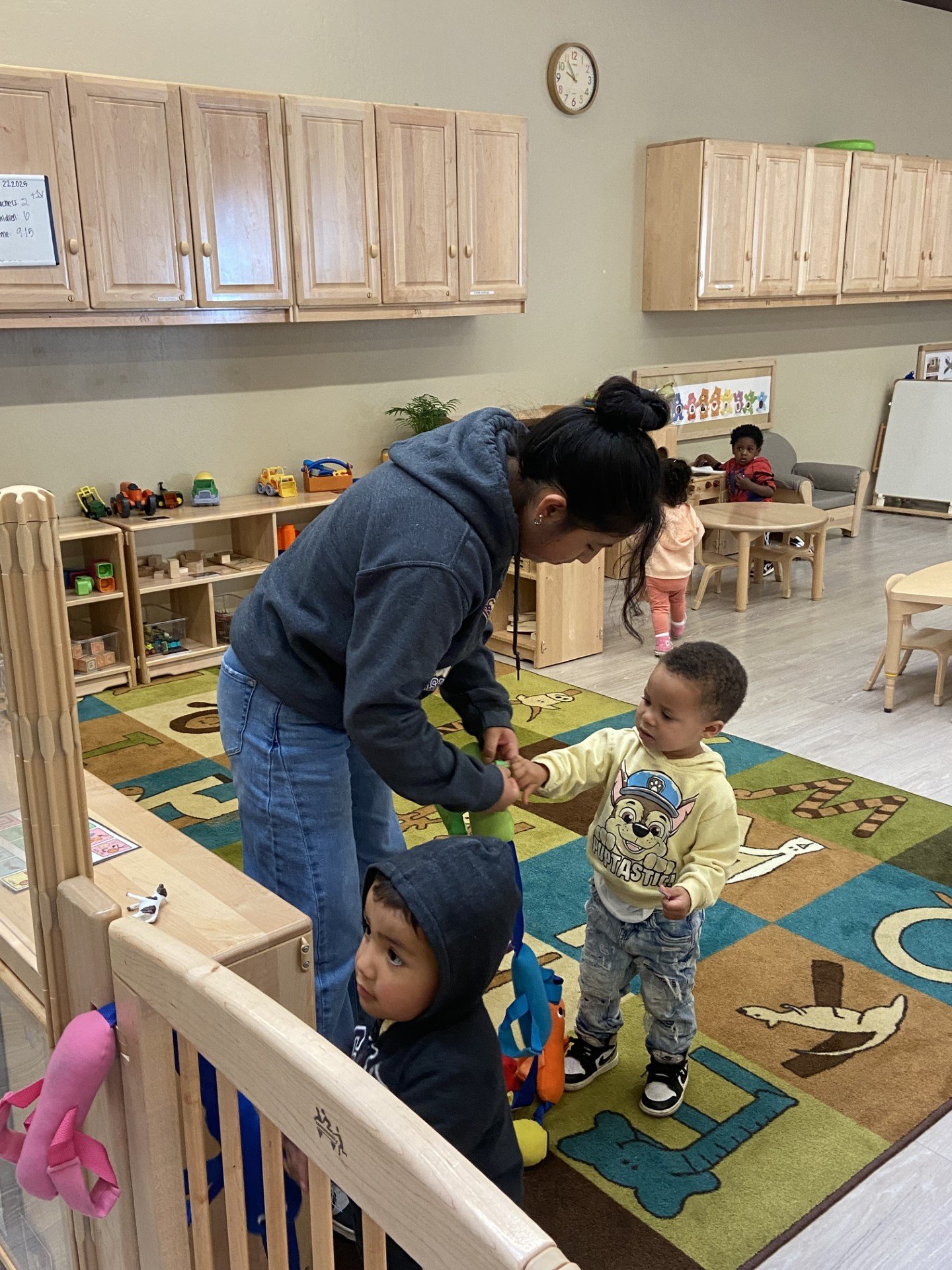
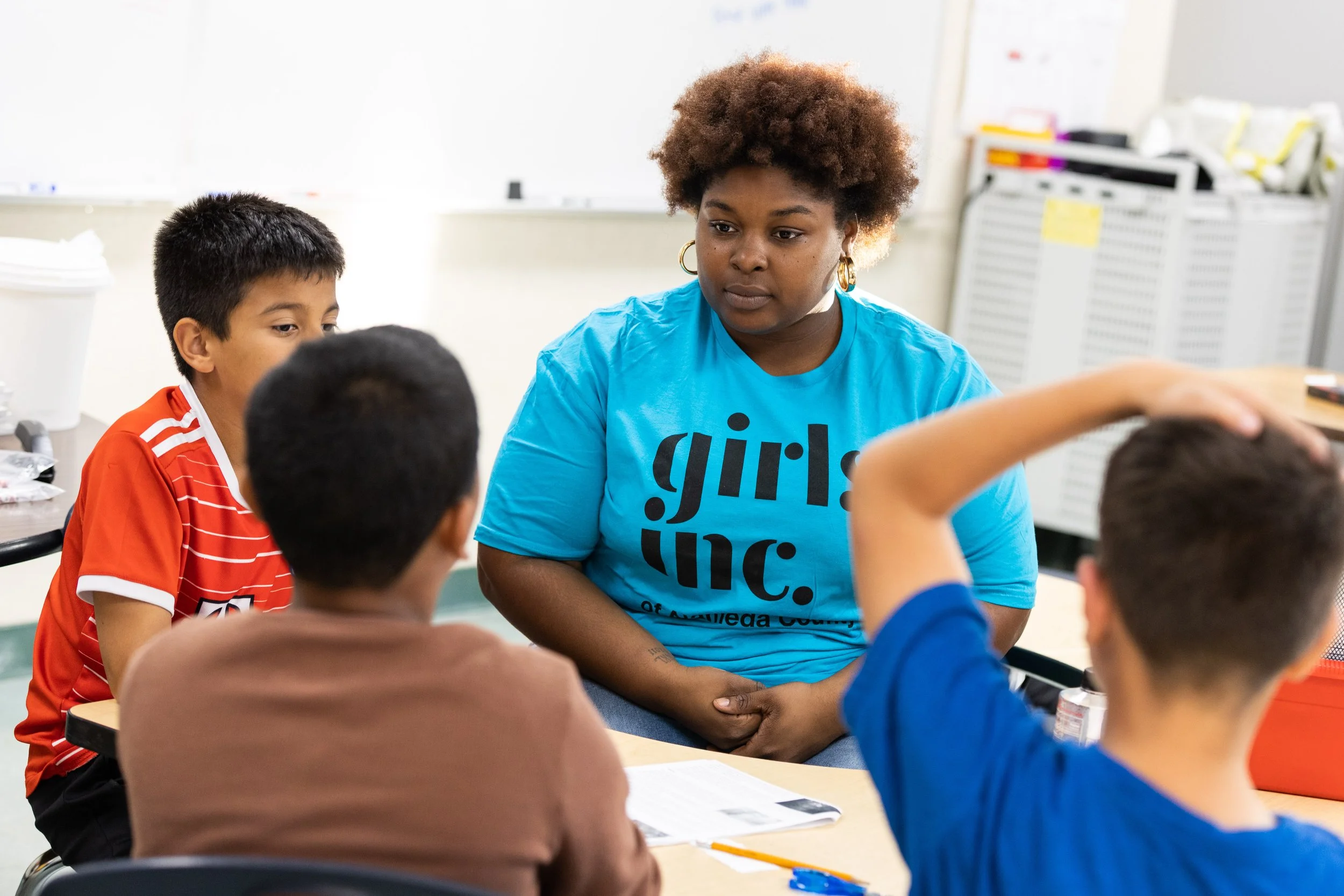
Working in Afterschool or Youth Programs: Extended Learning
Recreation, movement and creativity and nurturing relationships are vital for children’s mental health and academic success–you can facilitate fun, engaging activities and support the holistic growth of children and youth afterschool.
-
Entry-level afterschool/youth work positions typically require only a high school diploma plus program-specific training (CPR/First Aid, mandated reporter training) — no state permit or CTC credential is required. Advancement toward classroom teaching runs through either the Child Development Permit Matrix (for ECE) or a bachelor's degree plus CTC credential program (for K-12).
-
Requirements vary depending on employer - For general info contact:
Swipe for Focused Options
-
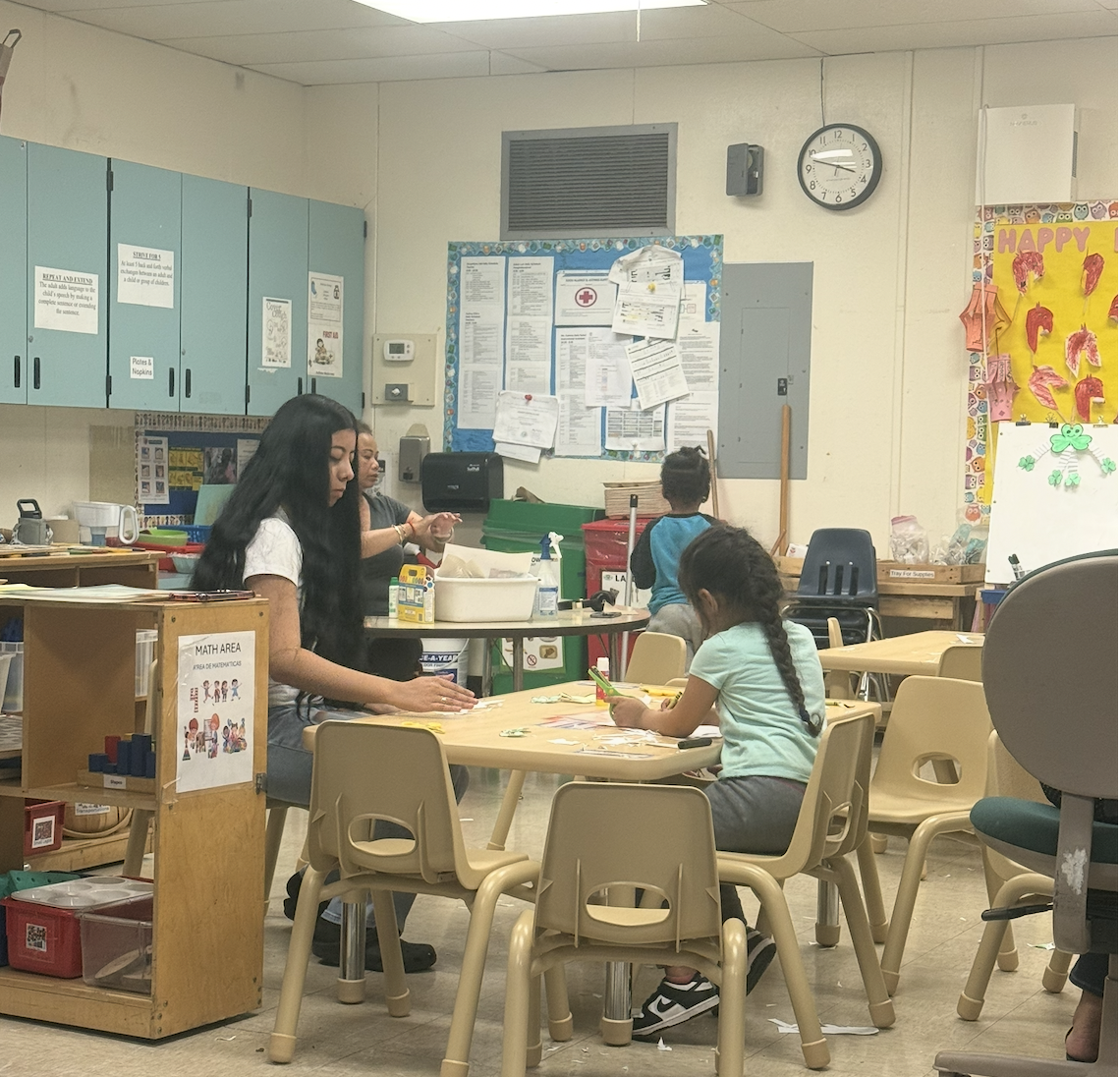
![Teachers in a Pk-3 classroom]()
PK-3 Credential: Teaching 3-8 year-olds
High quality, universally accessible TK–which has been proven to shrink opportunity gaps, raise high school graduation and college enrollment rates and yield economic benefits for society. This new PK-3 CTC credential requires a bachelor's degree, Subject Matter Competency, and completion of a CTC-approved PK-3 Early Childhood Education Specialist Instruction Credential program combining coursework and fieldwork.
Resources: Bay Region & California
-
![Female teacher engaged in the garden]()
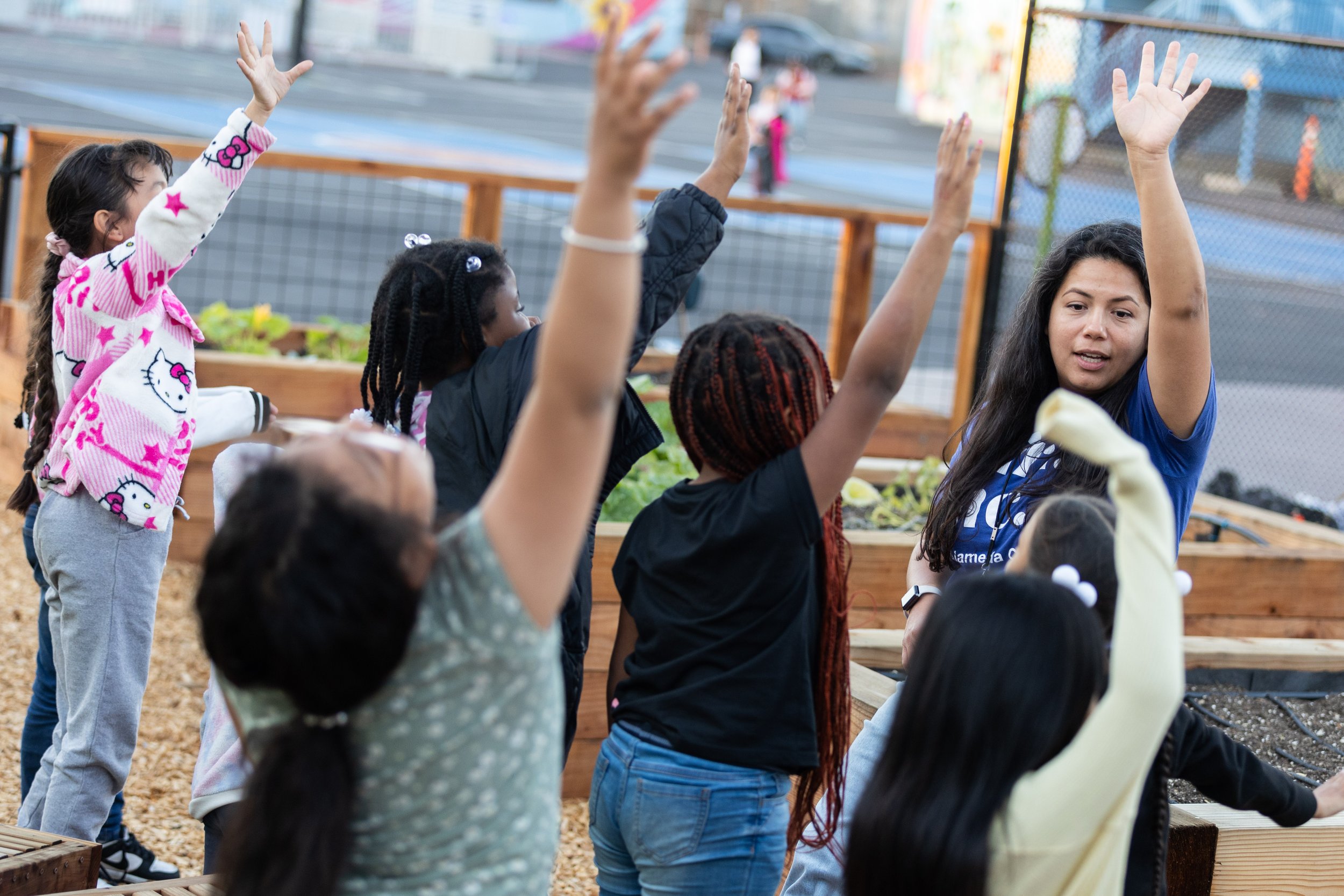
Elementary School Teaching: Kindergarten-Grades 5 or 6
We all know teachers change lives. Studies have found that when a child has even one above average teacher from fourth to eighth grade, they are more likely to attend college and earn more money.In most schools, teaching Kindergarten to Fifth grade means you teach all the subjects in your own classroom–what an amazing opportunity to build a supportive and engaging community with a group of students and their families. a Clear Credential through induction.
Resources: Bay Region & California
-
![Male teacher in high school]()
High School (Grades 9-12) & Most Middle Schools (Grades 6-9)
Are you passionate about Physical Education? Biology? Math? Creative writing? Teaching middle and/or high school provides an opportunity to specialize in one topic. Secondary teachers pursue a Single Subject Teaching Credential in their content area, requiring a bachelor's degree, Subject Matter Competency (CSET or approved coursework–that means your coursework/major could be considered equivalent to the CSET.
*Some TK-8 schools accept Multiple Subject Credentials to teach Middle School (grades 6-8)
Resources: Bay Region & California
-
![Teacher with student]()
Special Education TK-12
Are you passionate about including all children in education? Teaching in Special Education requires a CTC Education Specialist Instruction Credential (Mild/Moderate, Extensive Support Needs, or other specialization), including a bachelor's degree, Subject Matter Competency, and a CTC-approved program with specialized fieldwork. Paraeducators can start with a high school diploma and training requirements required by their district.
Resources: Bay Region & California
-
![Two women learning CTE]()
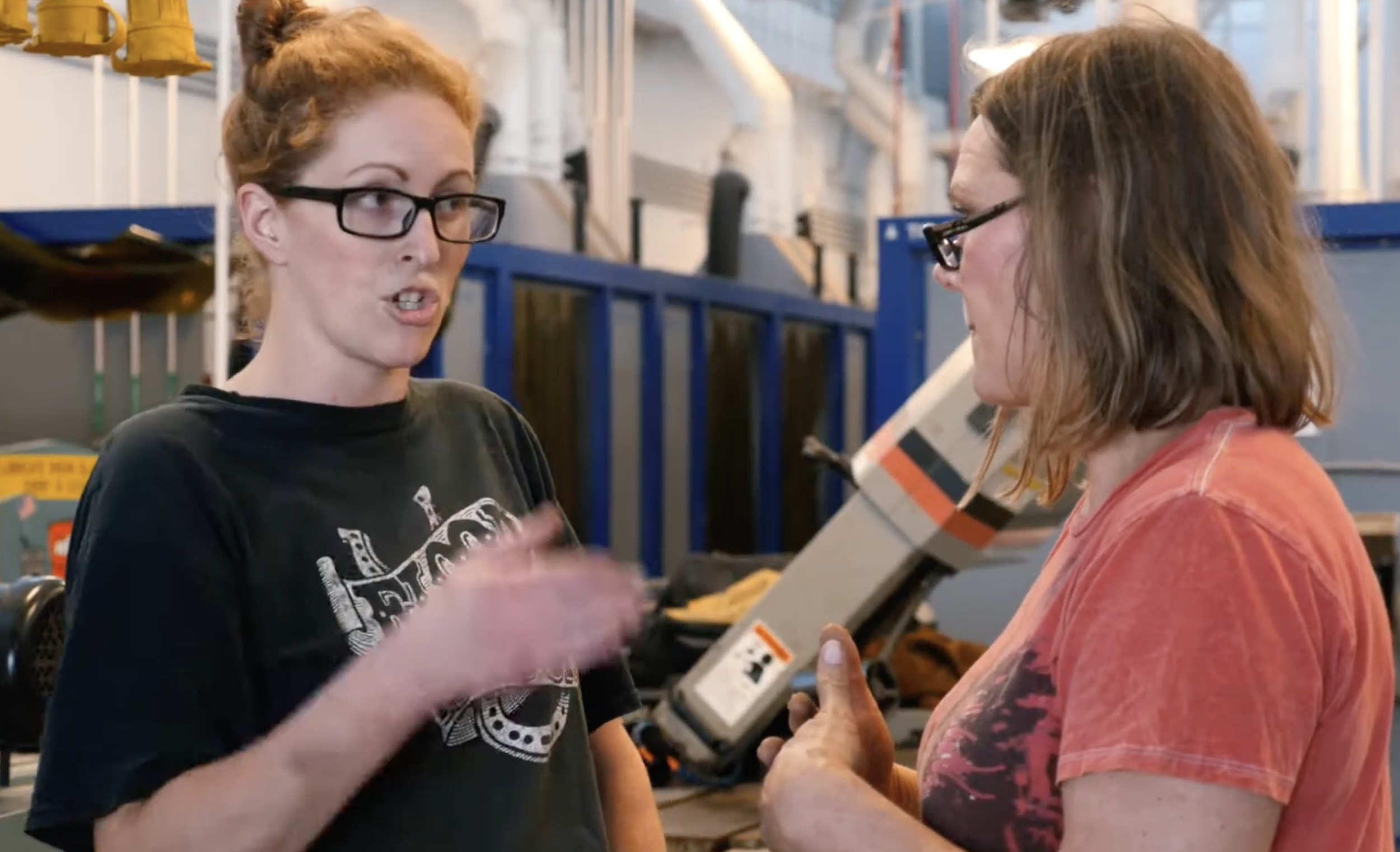
CTE (Career & Technical Education) Teaching Credentials
Bring your industry expertise alive with students in a classroom. CTE (Career and Technical Education) credentials follow a distinct "Designated Subjects" pathway based primarily on verified occupational experience (typically 3,000 hours or a relevant license/degree) in the subject taught, rather than a traditional bachelor's-plus-student-teaching route. Candidates complete a shorter CTC-approved preparation program focused on teaching methodology.
Resources: Bay Region & California
-
![Teacher teaching young child sorting]()
STEM Teaching (Science, Technology, Engineering & Math)
We need STEM teachers! While students’ passion for Science & Math is ideally ignited before fourth grade, in order for diverse students to enter the vital STEM-related fields in healthcare, engineering, and more, they need passionate teachers to engage them in meaningful STEM learning. These credential pathways follow the standard Single Subject credential pathway in Math or Science (with specific CSET subtests per discipline), but California offers targeted incentives — like the Golden State Teacher Grant Program and Math/Science incentive funding — to address shortages in these areas.
Resources: Bay Region & California

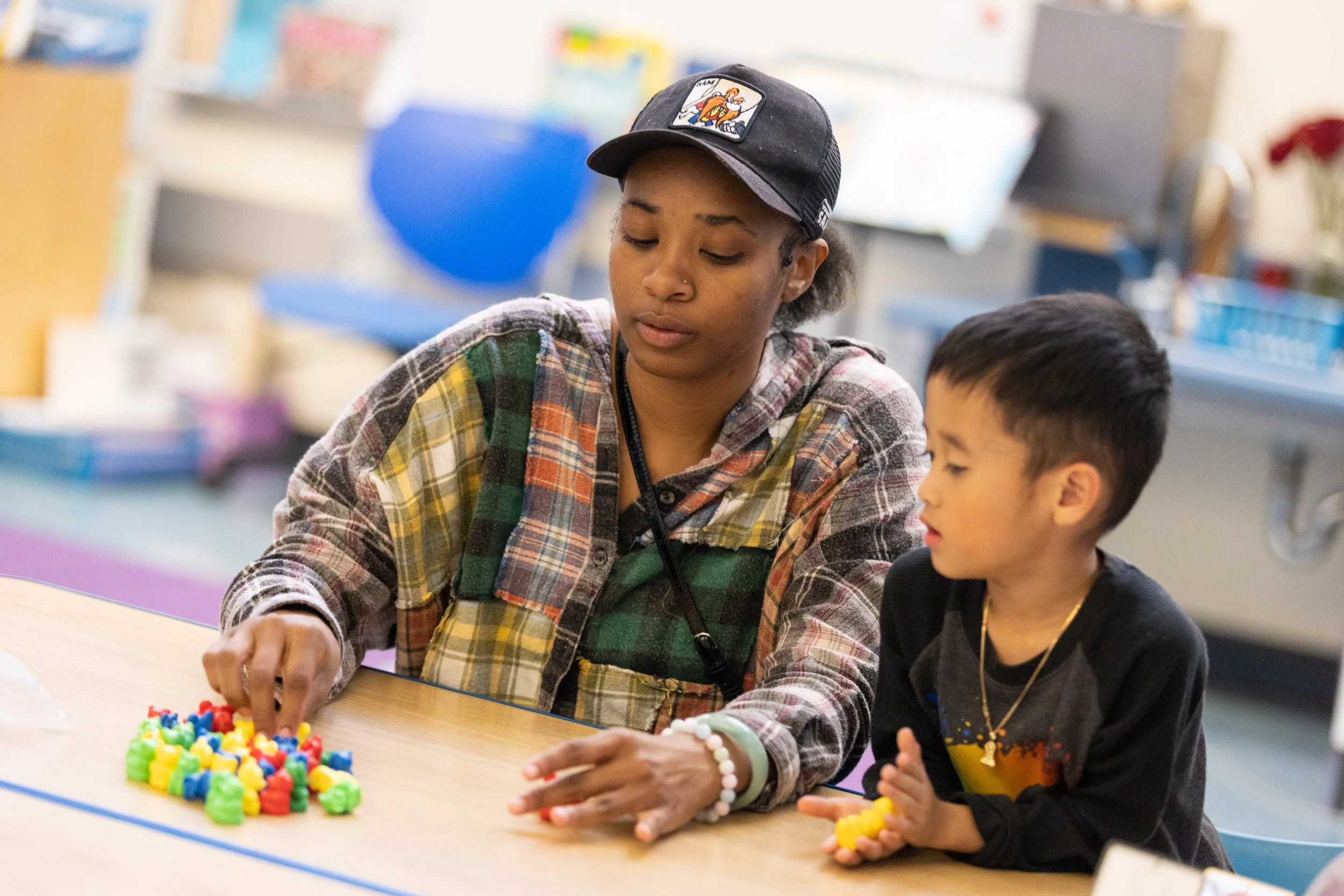
Supporting Students in Public Schools: Social Work, Counseling/Psychology & Library Science
-
Are you committed to supporting students’ mental health (and your own?) School counselors and social workers can be the glue that holds a school community together. School counselors need a CTC Pupil Personnel Services (PPS) Credential with a School Counseling specialization, which requires a master's degree (often an MA in Counseling or School Psychology-adjacent field) and completion of a CTC-approved PPS program including supervised fieldwork hours in K-12 settings. A separate PPS specialization (or added authorization) is required for School Social Work, so candidates should confirm which track their program covers if counseling and social work are both of interest.
CTC Pupil Personnel Services Credential, School Counseling Specialization
CTC PPS Credential Overview: School Counseling, School Social Work, School Psychology
-
Are you passionate about reading? Do you like to dramatize books? Librarians can make books come alive, foster a lifelong love of reading, find books and resources that reflect the students in their schools and build meaningful relationships with students. School librarians earn a CTC Teacher Librarian Services Credential, which requires a bachelor's degree, a valid teaching credential or equivalent basis, and completion of a CTC-approved Teacher Librarian program (typically an MLIS or credential-only program covering information literacy, collection development, and instructional collaboration). Some candidates pursue this alongside or after a Multiple/Single Subject credential, since many teacher-librarian roles value classroom teaching experience.
Resources: Bay Region & California
Teacher Librarian Services Credential (CTC) — 4 approved CA programs currently exist:
Counselors, Advisors & CDEV/EDU Faculty Supporting Future Teachers
-
ACCCTEP: Association of California Community College Teacher Education Programs
Example Transfer Course Maps for Education: CCSF/Skyine/Canada Colleges to SFSU
Counseling & Advising for Apprenticeships and Teacher Preparation Pathways: December 2025 Workshop
-
ACCCTEP: Association of California Community College Teacher Education
SPARK HUB - CSU ECE HUB: Systemwide Partnership for Advancing Research and Knowledge in Early Childhood
-
PAVE Toolkit: Pathways for Advancing Visionary Educators
A resource designed to support and grow more educators by enhancing pathways between California Community Colleges (CCC) and California State Universities (CSU). This toolkit is dedicated to strengthening educator programs across these institutions, creating a more seamless transition for future educators, and promoting a lasting positive impact on the teaching profession in California
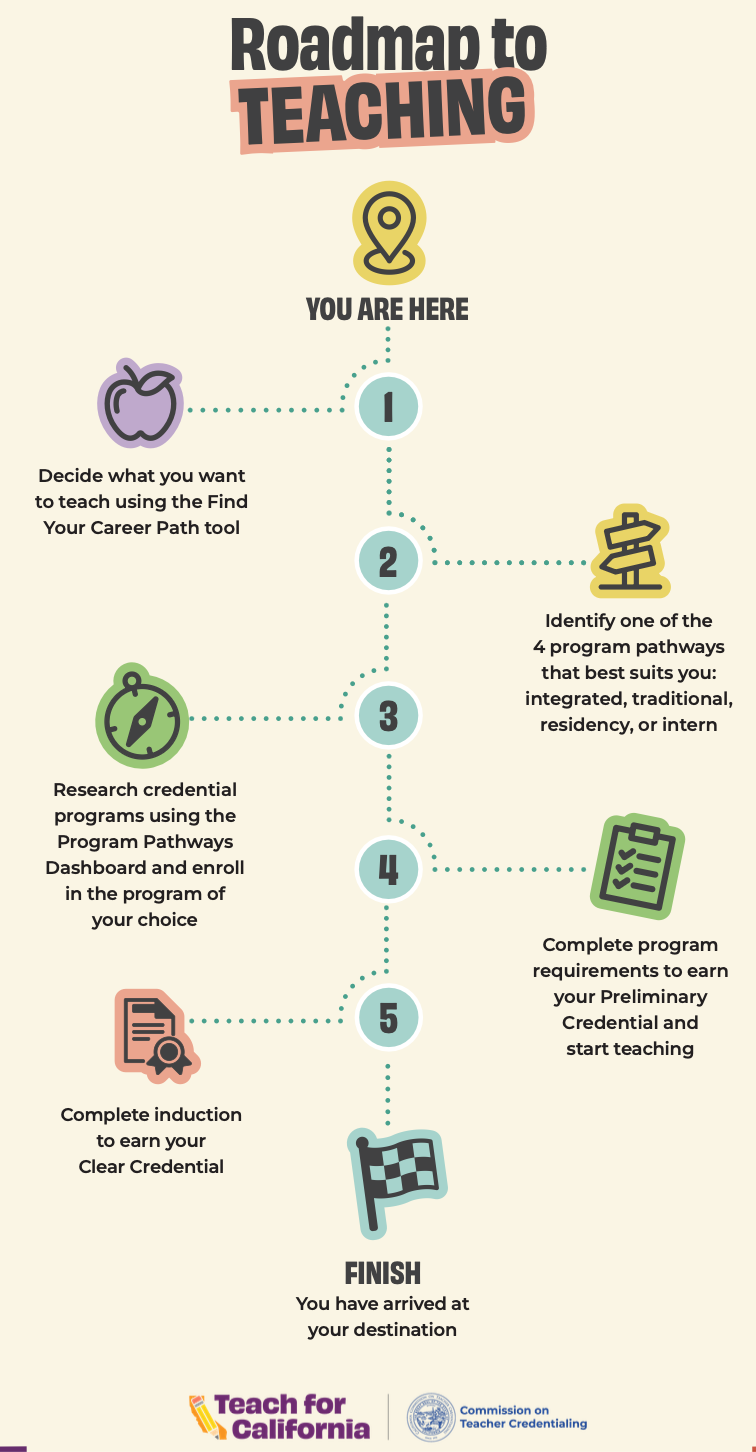
Teach for California Campaign Toolkit
Their Purpose; Our Future: Explore tools and resources to promote teaching careers and guide aspiring educators on their path to the classroom
-